Buy يه.com ?
We are moving the project
يه.com .
Are you interested in purchasing the domain
يه.com ?
domain@kv-gmbh.de · 0541-91531010
Buy يه.com ?
Can one study home economics?
Yes, one can study home economics. Home economics is a field of study that focuses on practical skills related to managing a household and family life. It covers a wide range of topics such as cooking, nutrition, budgeting, sewing, and child development. Many schools offer courses or degree programs in home economics, providing students with the opportunity to learn valuable skills for everyday life. **
Can you study home economics?
Yes, you can study home economics. Home economics is a field of study that focuses on practical skills related to managing a household and family, including cooking, nutrition, sewing, budgeting, and child development. Many schools offer home economics courses or degree programs that provide training in these areas. Studying home economics can be a valuable way to gain important life skills and knowledge for managing a home and family. **
Similar search terms for Economics
Top-Angebote
Products related to Economics:
-
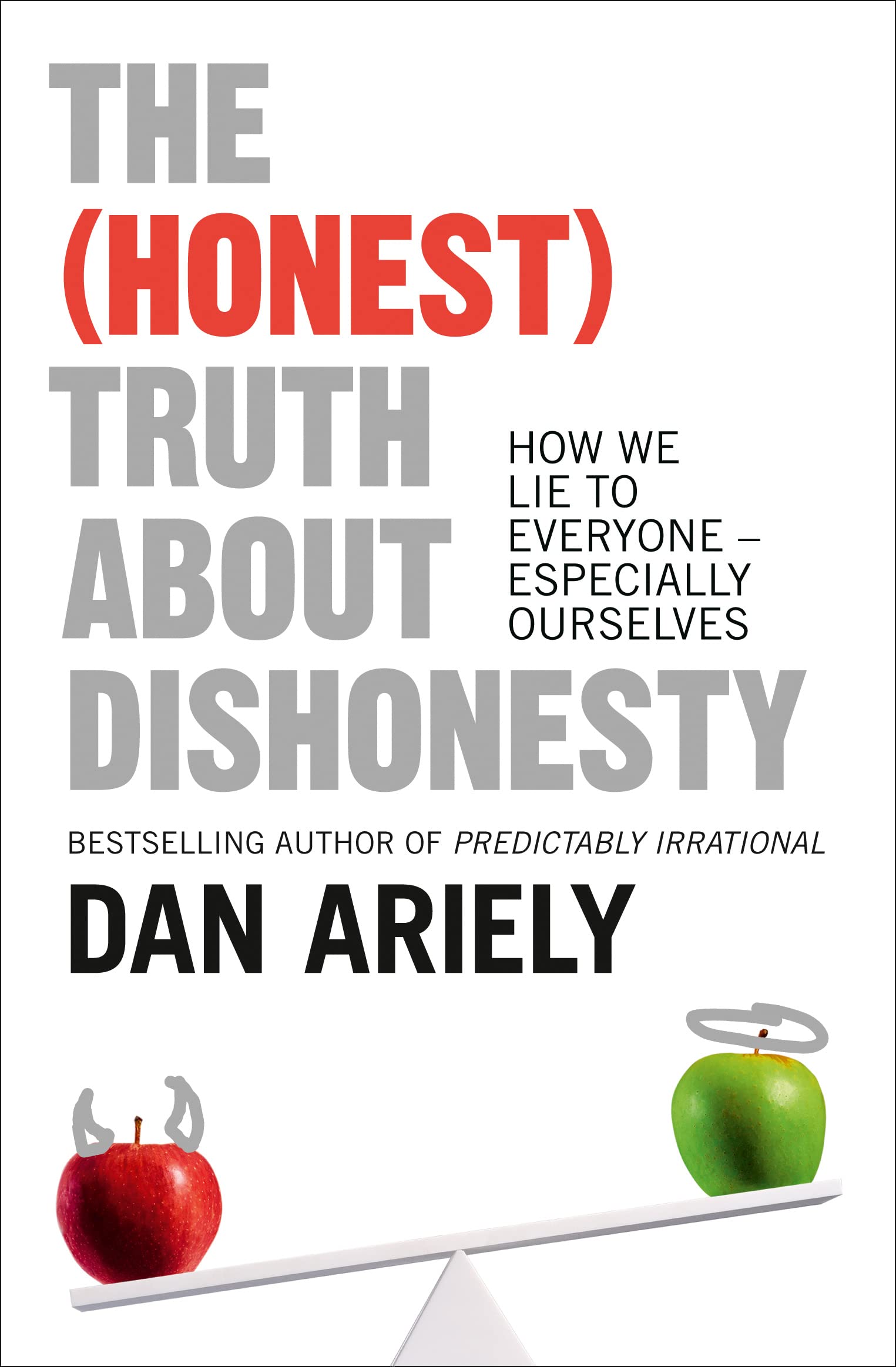
HarperCollins The (Honest) Truth About Dishonesty by Dan Ariely - Paperback - Behavioural Economics & Psychology - UK EditionExplore the fascinating world of human behavior with Dan Ariely's thought-provoking book, The (Honest) Truth About Dishonesty. This insightful non-fiction paperback delves into the psychology behind everyday deceptions, revealing the surprising reasons why ordinary people cheat and lie. Drawing on years of research in behavioural economics, Ariely's witty and engaging writing style makes this book an essential read for anyone interested in understanding human nature. Published by HarperCollins, this paperback is a compelling exploration of why we behave the way we do, and is the perfect addition to any book collection.5,95 £*Shipping: 2,99 £Secure redirect to the provider
-
Abacus The Undercover Economist by Tim Harford - Paperback - Popular Economics - Bestselling Non-Fiction Gift BookThe Undercover Economist by Tim Harford is a brand new paperback that turns everyday moments into vivid economics lessons. From a morning cappuccino at Waterloo Station to the housing ladder, Harford shows economics as the stuff of daily life, not distant theory. Written in clear, witty prose and free of jargon or equations, this book is ideal for curious readers, students, teachers, and anyone looking for a genuinely accessible introduction to how markets really work. In The Undercover Economist, Tim Harford asks the questions that ordinary life throws up and answers them with the tools of economic thinking. Who really profits from your morning coffee? Why does buying a house in a good area cost so much, and who benefits from that scarcity? Why do secondhand cars get such a bad reputation, and what does that reveal about information and trust in any market?7,99 £*Shipping: 2,99 £Secure redirect to the provider
-
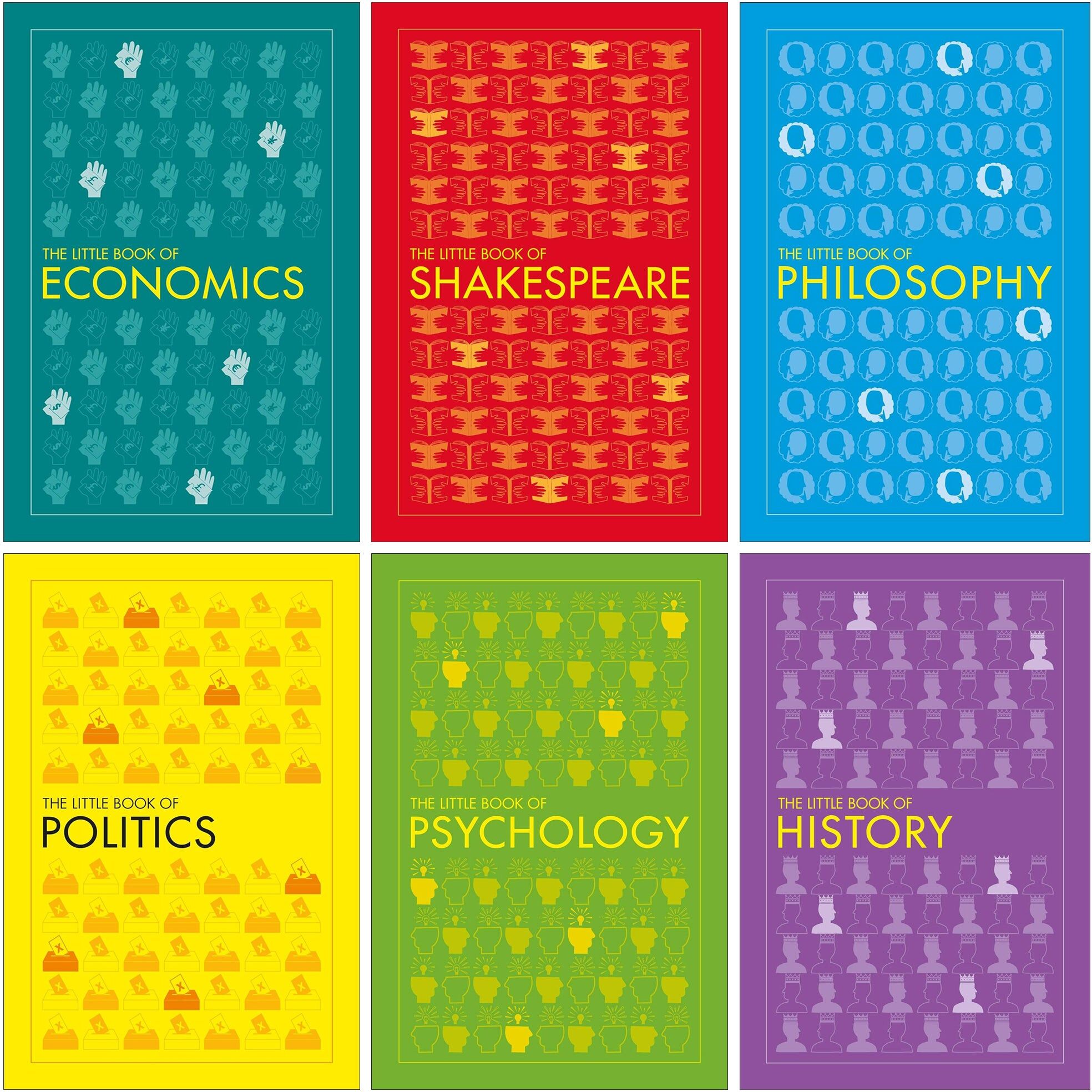
DK The Little Book Of Series 6 Books Collection Set (Economics, Politics, Shakespeare, Philosophy, Psychology, History)The Little Book Of Economics From the earliest forms of currency to the Industrial Revolution, and from the birth of the stock market to free-market capitalism and globalized trade, The Little Book of Economics brings economic theory and the work of key economists to life. Journeying through centuries of economic thought, it is the perfect pocket-sized guide to the subject. The Little Book Of Politics From the origins of democracy to Machiavelli's cunning statecraft, and from Rousseau's "social contract" to the American Declaration of Independence, Marxist communism, the dawn of populism, and identity politics, The Little Book of Politics examines the philosophies behind the different political beliefs and methods of government used around the world over the course of human history. The Little Book Of Shakespeare This bold book covers every work, from the comedies of Twelfth Night and As You Like It to the tragedies of Julius Caesar and Hamlet, plus lost plays and less well-known works of poetry. Easy-to-understand graphics and illustrations bring the themes, plots, characters and language of Shakespeare to life, including illustrated timelines which offer an at-a-glance summary of the action for each play. With detailed plot summaries and an in-depth analysis of the major characters and themes, this is a brilliant, innovative exploration of the entire canon of Shakespeare plays, sonnets and poetry. The Little Book Of Philosophy To the complete novice learning about philosophy can be daunting - The Little Book of Philosophy changes all that. With the use of powerful and easy-to-follow images, famous quotations, and explanations that are easily understandable, this book cuts through any misunderstandings to demystify the subject. The Little Book Of Psychology DK's The Little Book of Psychology answers all these questions and provides an insight into this fascinating field of science. Whether you are a student, an expert, a novice, or have a general interest in the human mind, this portable guide is the perfect choice to start exploring and understanding psychology. The Little Book Of History The Little Book of History charts world history from the dawn of civilisation to the modern culture we live in today. From the origins of homo-sapiens to the release of Nelson Mandela, from the French Revolution to the Space Race, The Little Book of History is a stunning exploration of the human timeline up to and including modern Islam, the world wide web, and the global financial crisis.14,99 £*Shipping: 2,99 £Secure redirect to the provider
-
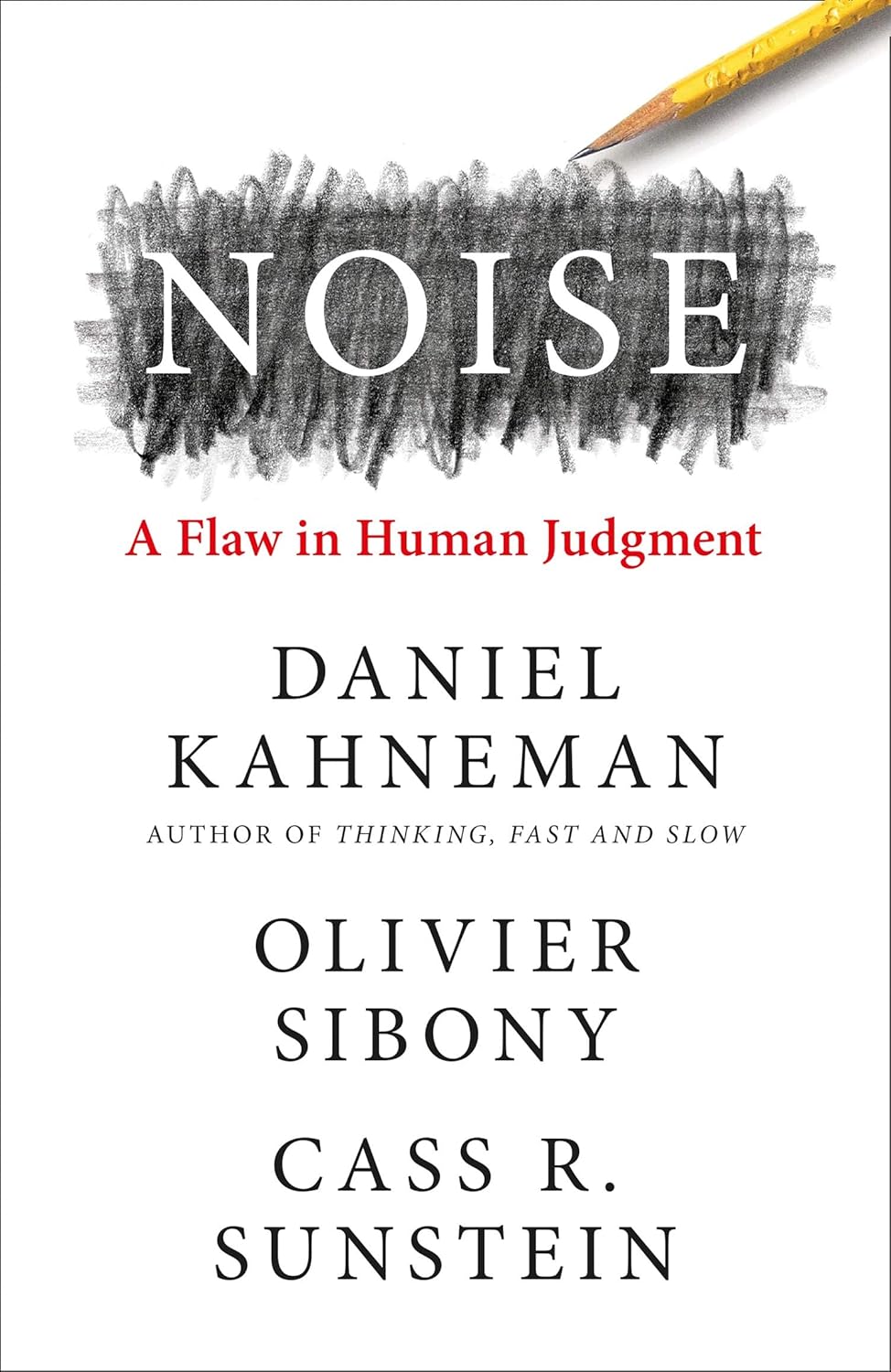
Various Publishers Daniel Kahneman 2 Book Set: Noise & Thinking, Fast and Slow - Paperback - Behavioural Economics & Psychology BestsellersThis two-book collection brings together Nobel Prize-winning psychologist Daniel Kahneman's most influential work on human judgment. Thinking, Fast and Slow explores the two systems that drive the way we think, while Noise, co-written with Olivier Sibony and Cass R. Sunstein, examines the hidden variability that undermines decisions in medicine, law, business and beyond. Together they offer a comprehensive guide to understanding and improving how we think, judge and choose. The collection includes 'Noise: A Flaw in Human Judgment' (9780008308995) and 'Thinking, Fast and Slow' (9780141033570), published by William Collins and Penguin respectively. Both books are in brand new condition and are available in paperback format.25,99 £*Shipping: 2,99 £Secure redirect to the provider

-
Which FOS is meant: Technology or Economics?
The FOS (Field of Study) that is meant can vary depending on the context. If the question is asking about a specific academic program or course, then the FOS would be Technology or Economics, depending on the focus of the program. If the question is asking about a specific career or industry, then the FOS would also depend on the specific field within Technology or Economics. It's important to clarify the context in order to determine which FOS is being referred to. **
-
What is home economics in kindergarten?
Home economics in kindergarten is a subject that focuses on teaching young children basic life skills related to home management and personal care. This can include activities such as learning how to set the table, basic cooking skills, personal hygiene, and understanding the importance of cleanliness and organization. The goal is to introduce children to the concept of taking care of themselves and their surroundings, and to develop a foundation for independent living skills as they grow older. Home economics in kindergarten also helps children understand the value of teamwork and cooperation, as they often work together on various projects and activities. **
-
What do you do in home economics?
In home economics, students learn practical skills related to managing a household and living independently. This can include cooking and baking, meal planning, budgeting, sewing and mending clothes, basic home repairs, and understanding nutrition and food safety. The goal is to equip students with the knowledge and skills they need to effectively manage a home and make healthy, cost-effective choices. **
-
Is the Note 3 fair in home economics?
The Note 3 is a fair device to use in home economics as it offers a large screen and stylus pen, making it easy to take notes, create shopping lists, and access recipes. The multitasking capabilities of the device allow for efficient meal planning and budgeting. Additionally, the Note 3's camera quality can be useful for documenting cooking processes and creating visual presentations. **
What is the difference between Quantitative Economics and Economics?
Quantitative economics is a subfield of economics that focuses on using mathematical and statistical methods to analyze economic phenomena, while economics is a broader field that encompasses the study of how societies allocate scarce resources to satisfy unlimited wants. Quantitative economics emphasizes the use of data and mathematical models to understand and predict economic behavior, while economics encompasses a wider range of topics, including microeconomics, macroeconomics, international economics, and development economics. In essence, quantitative economics is a more specialized and technical approach within the broader field of economics. **
Which subject is taught in 10th grade: Information Technology or Economics?
In 10th grade, students are typically taught Economics. This subject covers topics such as microeconomics, macroeconomics, and economic systems. Information Technology may also be offered as a separate course, but it is less commonly taught in 10th grade compared to Economics. **
Top-Angebote
Products related to Economics:
-
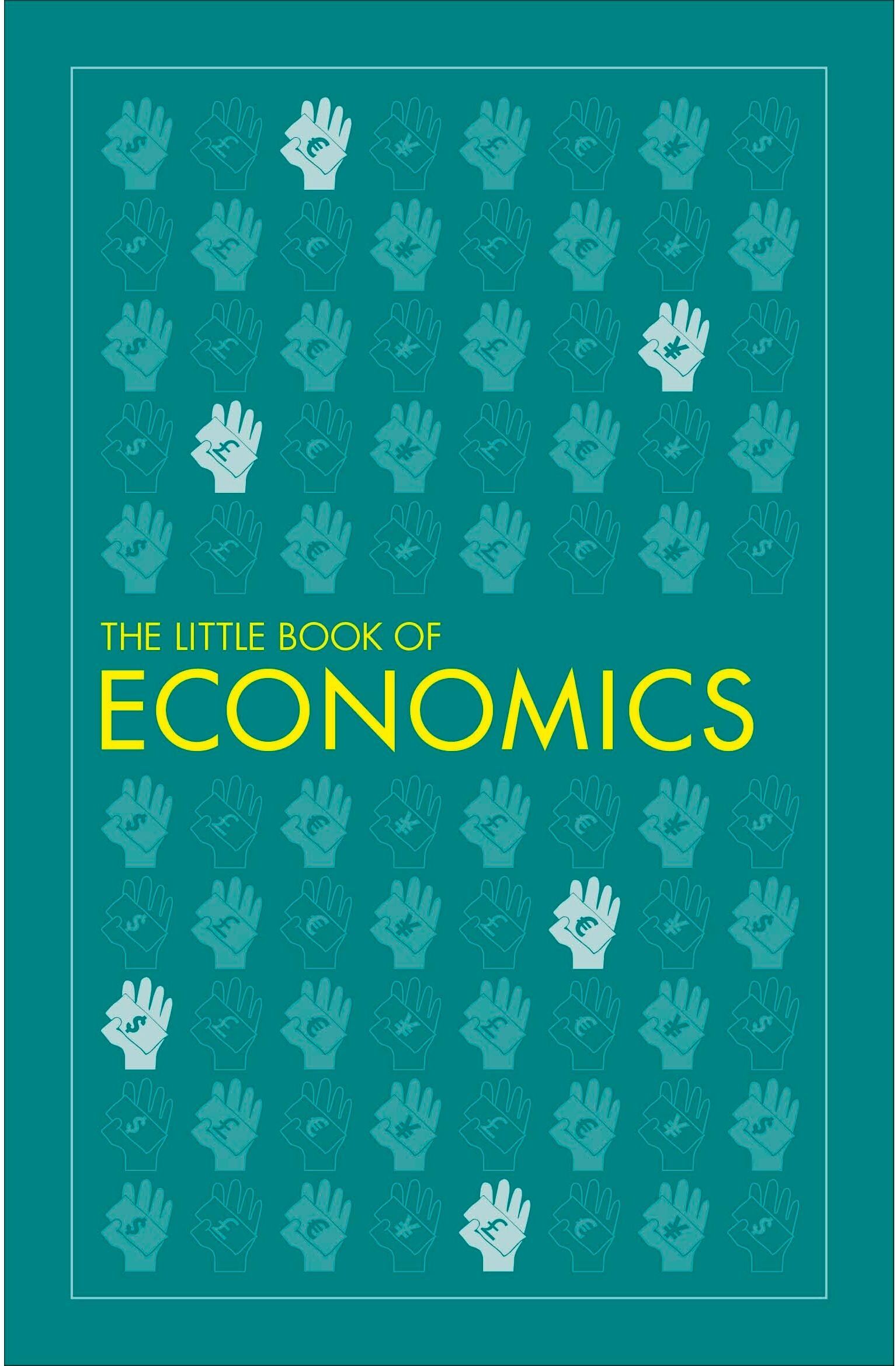
The Little Book of Economics (DK Big Ideas Series)This book is the perfect introduction to the subject of economics and economic ideas through history. From the earliest forms of currency to the Industrial Revolution, and from the birth of the stock market to free-market capitalism and globalized trade, The Little Book of Economics brings economic theory and the work of key economists to life. Journeying through centuries of economic thought, it is the perfect pocket-sized guide to the subject. Packed with infographics and flowcharts that explain complex concepts clearly and simply, The Little Book of Economics offers you a combination of clear text and hard-working infographics in a portable format that is perfect for reading on the go.5,99 £*Shipping: 2,99 £Secure redirect to the provider
-
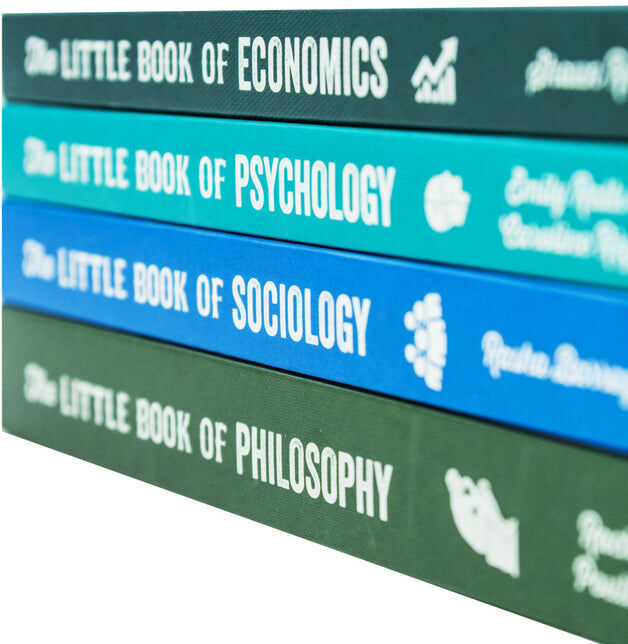
Summersdale Publishers The Little Book of Philosophy, Sociology, Economics & Psychology 4 Books Collection SetThe Little Book of Philosophy Philosophy is a quest for wisdom and knowledge; philosophia in Ancient Greek literally means “love of wisdom”. The aim of philosophy is to ask and explore life’s big questions to help us work out what we can know and how we can live a good life. Today, in a world of fake news, embarking on a quest for truth couldn’t be more important. The Little Book of Sociology From the smallest everyday interaction to the impact of vast systemic change, societies are brimming with fascinating phenomena we all want to understand more clearly.There's never been a more important moment to grasp what's going on around us, and this pocket-sized guide offers an engaging introduction to the key sociological concepts. The Little Book of Economics This Book will bring you up to speed on the basics of micro- and macroeconomics and demystify the world of taxes, trade, investments and finance, in simple English and with easy-to-follow examples.By the end of this crash course, you will have a grasp on all the essential terms, concepts and theories you need to know to understand modern-day. The Little Book of Psychology If you want to know your Freud from your Jung and your Milgram from your Maslow, strap in for this whirlwind tour of the highlights of psychology. Including accessible primers on: - The early thinkers who contributed to psychological ideas and the birth of modern psychology- Famous (and often controversial) experiments and their repercussions.12,99 £*Shipping: 2,99 £Secure redirect to the provider
-
HarperCollins The (Honest) Truth About Dishonesty by Dan Ariely - Paperback - Behavioural Economics & Psychology - UK EditionExplore the fascinating world of human behavior with Dan Ariely's thought-provoking book, The (Honest) Truth About Dishonesty. This insightful non-fiction paperback delves into the psychology behind everyday deceptions, revealing the surprising reasons why ordinary people cheat and lie. Drawing on years of research in behavioural economics, Ariely's witty and engaging writing style makes this book an essential read for anyone interested in understanding human nature. Published by HarperCollins, this paperback is a compelling exploration of why we behave the way we do, and is the perfect addition to any book collection.5,95 £*Shipping: 2,99 £Secure redirect to the provider
-
Abacus The Undercover Economist by Tim Harford - Paperback - Popular Economics - Bestselling Non-Fiction Gift BookThe Undercover Economist by Tim Harford is a brand new paperback that turns everyday moments into vivid economics lessons. From a morning cappuccino at Waterloo Station to the housing ladder, Harford shows economics as the stuff of daily life, not distant theory. Written in clear, witty prose and free of jargon or equations, this book is ideal for curious readers, students, teachers, and anyone looking for a genuinely accessible introduction to how markets really work. In The Undercover Economist, Tim Harford asks the questions that ordinary life throws up and answers them with the tools of economic thinking. Who really profits from your morning coffee? Why does buying a house in a good area cost so much, and who benefits from that scarcity? Why do secondhand cars get such a bad reputation, and what does that reveal about information and trust in any market?7,99 £*Shipping: 2,99 £Secure redirect to the provider
-
Can one study home economics?
Yes, one can study home economics. Home economics is a field of study that focuses on practical skills related to managing a household and family life. It covers a wide range of topics such as cooking, nutrition, budgeting, sewing, and child development. Many schools offer courses or degree programs in home economics, providing students with the opportunity to learn valuable skills for everyday life. **
-
Can you study home economics?
Yes, you can study home economics. Home economics is a field of study that focuses on practical skills related to managing a household and family, including cooking, nutrition, sewing, budgeting, and child development. Many schools offer home economics courses or degree programs that provide training in these areas. Studying home economics can be a valuable way to gain important life skills and knowledge for managing a home and family. **
-
Which FOS is meant: Technology or Economics?
The FOS (Field of Study) that is meant can vary depending on the context. If the question is asking about a specific academic program or course, then the FOS would be Technology or Economics, depending on the focus of the program. If the question is asking about a specific career or industry, then the FOS would also depend on the specific field within Technology or Economics. It's important to clarify the context in order to determine which FOS is being referred to. **
-
What is home economics in kindergarten?
Home economics in kindergarten is a subject that focuses on teaching young children basic life skills related to home management and personal care. This can include activities such as learning how to set the table, basic cooking skills, personal hygiene, and understanding the importance of cleanliness and organization. The goal is to introduce children to the concept of taking care of themselves and their surroundings, and to develop a foundation for independent living skills as they grow older. Home economics in kindergarten also helps children understand the value of teamwork and cooperation, as they often work together on various projects and activities. **
Similar search terms for Economics
-
DK The Little Book Of Series 6 Books Collection Set (Economics, Politics, Shakespeare, Philosophy, Psychology, History)The Little Book Of Economics From the earliest forms of currency to the Industrial Revolution, and from the birth of the stock market to free-market capitalism and globalized trade, The Little Book of Economics brings economic theory and the work of key economists to life. Journeying through centuries of economic thought, it is the perfect pocket-sized guide to the subject. The Little Book Of Politics From the origins of democracy to Machiavelli's cunning statecraft, and from Rousseau's "social contract" to the American Declaration of Independence, Marxist communism, the dawn of populism, and identity politics, The Little Book of Politics examines the philosophies behind the different political beliefs and methods of government used around the world over the course of human history. The Little Book Of Shakespeare This bold book covers every work, from the comedies of Twelfth Night and As You Like It to the tragedies of Julius Caesar and Hamlet, plus lost plays and less well-known works of poetry. Easy-to-understand graphics and illustrations bring the themes, plots, characters and language of Shakespeare to life, including illustrated timelines which offer an at-a-glance summary of the action for each play. With detailed plot summaries and an in-depth analysis of the major characters and themes, this is a brilliant, innovative exploration of the entire canon of Shakespeare plays, sonnets and poetry. The Little Book Of Philosophy To the complete novice learning about philosophy can be daunting - The Little Book of Philosophy changes all that. With the use of powerful and easy-to-follow images, famous quotations, and explanations that are easily understandable, this book cuts through any misunderstandings to demystify the subject. The Little Book Of Psychology DK's The Little Book of Psychology answers all these questions and provides an insight into this fascinating field of science. Whether you are a student, an expert, a novice, or have a general interest in the human mind, this portable guide is the perfect choice to start exploring and understanding psychology. The Little Book Of History The Little Book of History charts world history from the dawn of civilisation to the modern culture we live in today. From the origins of homo-sapiens to the release of Nelson Mandela, from the French Revolution to the Space Race, The Little Book of History is a stunning exploration of the human timeline up to and including modern Islam, the world wide web, and the global financial crisis.14,99 £*Shipping: 2,99 £Secure redirect to the provider
-
Various Publishers Daniel Kahneman 2 Book Set: Noise & Thinking, Fast and Slow - Paperback - Behavioural Economics & Psychology BestsellersThis two-book collection brings together Nobel Prize-winning psychologist Daniel Kahneman's most influential work on human judgment. Thinking, Fast and Slow explores the two systems that drive the way we think, while Noise, co-written with Olivier Sibony and Cass R. Sunstein, examines the hidden variability that undermines decisions in medicine, law, business and beyond. Together they offer a comprehensive guide to understanding and improving how we think, judge and choose. The collection includes 'Noise: A Flaw in Human Judgment' (9780008308995) and 'Thinking, Fast and Slow' (9780141033570), published by William Collins and Penguin respectively. Both books are in brand new condition and are available in paperback format.25,99 £*Shipping: 2,99 £Secure redirect to the provider
-
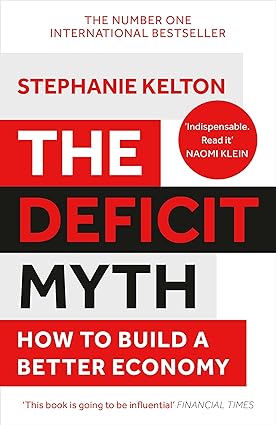
The Deficit Myth by Stephanie Kelton - Modern Monetary Theory - Paperback - John Murray Press - Economics & Public Policy BookThe Deficit Myth by Stephanie Kelton is a thought-provoking book that rethinks how modern economies work. Drawing on Modern Monetary Theory (MMT), Kelton challenges the conventional wisdom that government deficits are inherently dangerous, arguing instead that they can be powerful tools for funding public services and infrastructure. This paperback edition is a clear and accessible explanation of public finance and economic policy, making it essential reading for anyone interested in these topics. About the book, economist Stephanie Kelton dismantles the idea that government deficits are a looming disaster, showing that for countries that issue their own currency, the true constraint on spending is not a shortage of money but a shortage of political will to invest in the things that matter.5,99 £*Shipping: 2,99 £Secure redirect to the provider
-
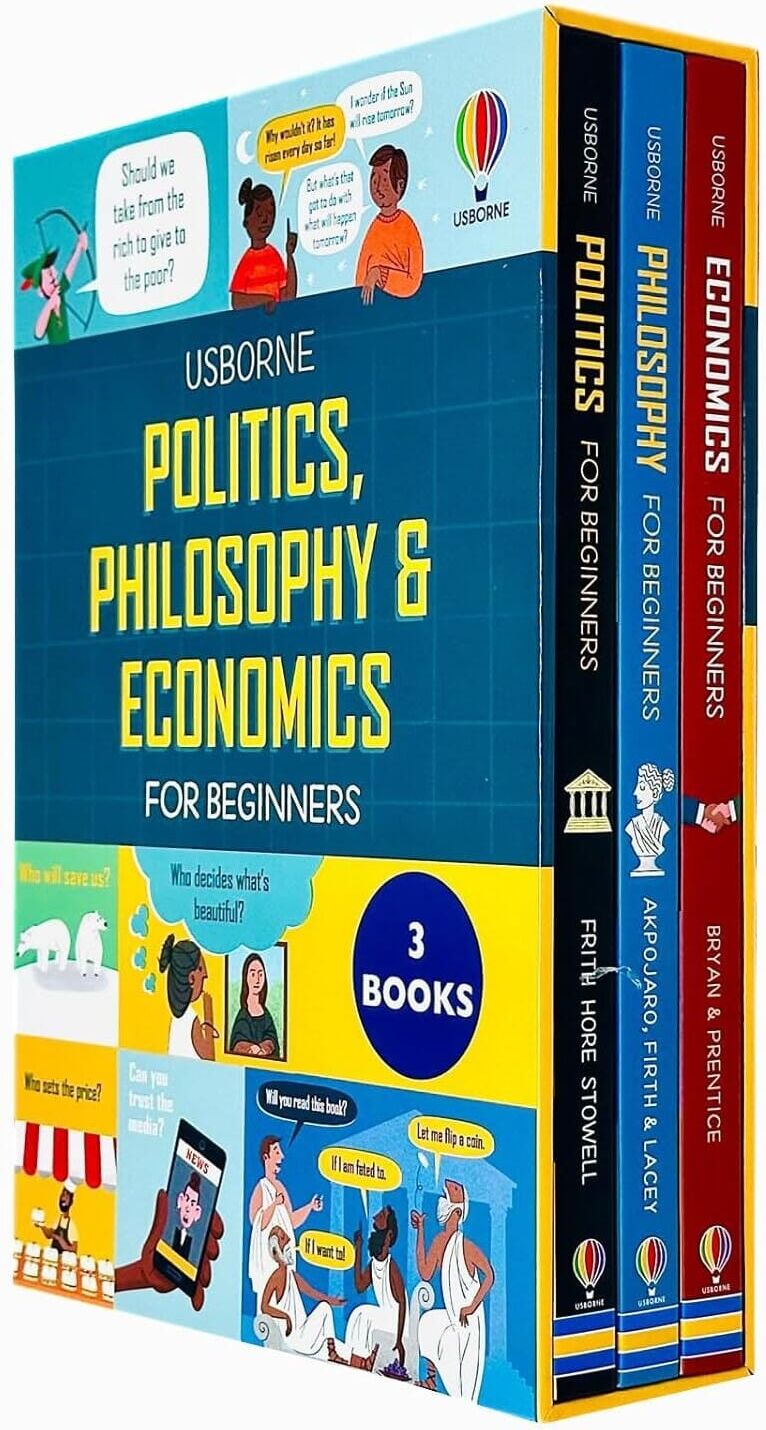
Usborne For Beginners Series: Politics, Philosophy and Economics 3 Books Collection Box Set - Ages 11+ - Hardback Usborne Publishing LtdTitles in this set: 1. Politics for Beginners 2. Philosophy for Beginners 3. Economics for Beginners Politics for Beginners An informative guide to political systems, elections, voting and government, and issues including feminism, human rights, freedom of speech and fake news, all explained with clear text and bright, infographic-style illustrations. Includes tips on how to argue and debate, a glossary, and links to specially selected websites with more information. Philosophy for Beginners Philosophy is a way of thinking about just about anything. It asks big questions, such as "how can I be good?" or "what makes something beautiful?" Using lively examples, humorous illustrations and simple thought experiments, this book opens up the world of philosophy to both children and adults and includes links to recommended websites with videos, games and activities to find out more. Economics for Beginners Nobody has everything they need, all the time - so how can we make do with what we have? Economics is all about understanding the choices we make to solve this problem. With bright, infographics pictures, this informative book describes why markets are so important, how businesses work out what to sell, and how governments choose how to run a country. Includes Usborne Quicklinks to specially selected websites for more information.14,95 £*Shipping: 2,99 £Secure redirect to the provider
-
What do you do in home economics?
In home economics, students learn practical skills related to managing a household and living independently. This can include cooking and baking, meal planning, budgeting, sewing and mending clothes, basic home repairs, and understanding nutrition and food safety. The goal is to equip students with the knowledge and skills they need to effectively manage a home and make healthy, cost-effective choices. **
-
Is the Note 3 fair in home economics?
The Note 3 is a fair device to use in home economics as it offers a large screen and stylus pen, making it easy to take notes, create shopping lists, and access recipes. The multitasking capabilities of the device allow for efficient meal planning and budgeting. Additionally, the Note 3's camera quality can be useful for documenting cooking processes and creating visual presentations. **
-
What is the difference between Quantitative Economics and Economics?
Quantitative economics is a subfield of economics that focuses on using mathematical and statistical methods to analyze economic phenomena, while economics is a broader field that encompasses the study of how societies allocate scarce resources to satisfy unlimited wants. Quantitative economics emphasizes the use of data and mathematical models to understand and predict economic behavior, while economics encompasses a wider range of topics, including microeconomics, macroeconomics, international economics, and development economics. In essence, quantitative economics is a more specialized and technical approach within the broader field of economics. **
-
Which subject is taught in 10th grade: Information Technology or Economics?
In 10th grade, students are typically taught Economics. This subject covers topics such as microeconomics, macroeconomics, and economic systems. Information Technology may also be offered as a separate course, but it is less commonly taught in 10th grade compared to Economics. **
* All prices are inclusive of VAT and, if applicable, plus shipping costs. The offer information is based on the details provided by the respective shop and is updated through automated processes. Real-time updates do not occur, so deviations can occur in individual cases. ** Note: Parts of this content were created by AI.